Let’s be honest—technology is evolving fast. Blink, and there’s a new tool, app, or system changing how we live, work, and even think. The future technology trends landscape is shifting so quickly that by 2027, global spending on digital transformation is projected to hit a staggering USD 3.9 trillion. That’s not just a number—it’s a signal that businesses, governments, and everyday users like us are all-in on building a more connected, intelligent, and sustainable future.
So, what exactly should you be watching in the tech space over the next few years? Let’s walk through the most important future technology trends—from AI breakthroughs to clean energy—and why they’ll impact your world more than you might think.
1. Artificial Intelligence (AI) – The Intelligence Layer of the Future
Let’s start with the most talked-about technology today: AI.
AI isn’t just about chatbots or virtual assistants anymore. It’s evolving into a foundational technology that’s embedded into nearly every digital experience. In fact, most industries—healthcare, finance, education, logistics, marketing—are now leveraging AI for smarter decision-making.
What’s Next in AI:
- Generative AI like ChatGPT, DALL·E, and others are helping create art, music, and content in seconds.
- AI in healthcare is enabling faster diagnosis, personalized treatment, and robotic surgeries.
- Predictive AI is revolutionizing supply chains and customer service by anticipating needs before they arise.
AI is no longer optional—it’s a strategic advantage. Startups are using AI to disrupt traditional businesses, and companies are investing billions to build AI-powered tools that think, learn, and evolve.
2. Green Technology & Clean Energy – Building a Sustainable Tomorrow
As climate concerns grow, the world is shifting toward sustainable innovation. From electric vehicles to solar farms and carbon capture, green technology is rapidly emerging as one of the most critical future technology trends.
Key Developments to Watch:
- Next-gen solar panels with higher efficiency and storage capabilities.
- Green hydrogen as a clean fuel alternative for heavy industry and transport.
- AI-powered energy grids that balance loads and reduce waste.
- Battery innovation, such as solid-state batteries that charge faster and last longer.
Governments are offering incentives, and consumers are demanding cleaner alternatives. Expect a surge in startups and technologies focusing on climate solutions, sustainable agriculture, and waste reduction.
3. Quantum Computing – A New Era of Possibility
Quantum computing has long sounded like something out of a sci-fi movie—but it’s becoming real.
While classical computers store information in bits (0s and 1s), quantum computers use qubits, which can be in multiple states at once. This allows them to solve problems that even today’s supercomputers can’t touch.
Why It Matters:
- Pharmaceutical companies can simulate molecular structures and develop drugs faster.
- Finance firms can process complex models and risks more accurately.
- Climate researchers can simulate Earth’s systems in more detail to better predict change.
By the 2030s, quantum computing could power breakthroughs in everything from national defense to disease cures. Companies like Google, IBM, and emerging startups are investing heavily in this tech frontier.
4. Robotics and Automation – Machines That Do More
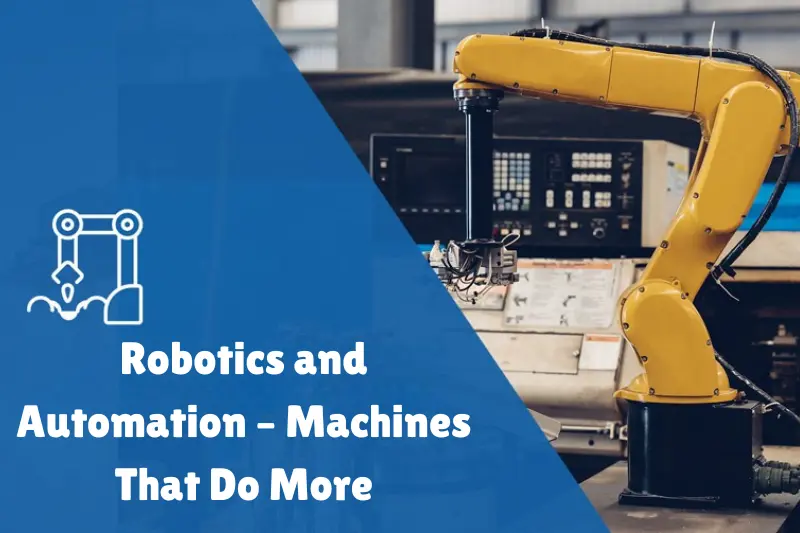
Automation isn’t about replacing humans—it’s about making life and work more efficient. And thanks to AI integration, today’s robots are smarter and more adaptable than ever.
Real-World Examples:
- Warehouse robots sorting, packing, and delivering goods with near-zero errors.
- Medical robots assisting surgeons in complex operations with pinpoint precision.
- Service robots cleaning homes, delivering food, and even supporting elderly care.
As robotics become cheaper and more capable, businesses can reduce costs while increasing productivity. Expect automation to continue transforming industries like retail, agriculture, hospitality, and healthcare.
5. Spatial Computing & the Metaverse – A New Digital Layer Over Reality
While the term metaverse has been hyped, the underlying technologies—augmented reality (AR), virtual reality (VR), and spatial computing—are quietly maturing.
What’s Happening:
- AR headsets are being used for industrial training, design, and remote collaboration.
- Virtual classrooms and immersive learning environments are replacing traditional methods.
- 3D digital twins of factories, cities, and homes are helping planners and engineers simulate and test in real-time.
This blend of the physical and digital world will open up new ways to shop, learn, work, and play. As devices become more compact and affordable, adoption will skyrocket across industries.
6. Cybersecurity and Digital Trust – Protecting the Future
As we go digital, security becomes everything. With sensitive data being shared across cloud platforms, IoT devices, and mobile apps, cybersecurity must evolve quickly.
Key Focus Areas:
- Zero-trust architecture, where every user and device must be verified.
- Blockchain for secure transactions and identity management.
- AI-driven threat detection that can recognize and respond to attacks in real time.
The more tech we use, the more protection we need. Cybersecurity is no longer the job of IT teams alone—it’s part of every digital product and experience.
You may also like to read this:
Top 10 Upcoming Tech Innovations You Should Know
Top 15 Latest Technology Advancements To Watch In 2025
Top10 Emerging Technologies 2025 You Should Know About
Best 10 Future Gadgets And Devices For Everyday Use
7. Biotechnology and Personalized Healthcare
The future of health is personal. With access to your DNA, biomarkers, and lifestyle data, biotech companies can now tailor treatments and wellness programs uniquely for you.
What’s Evolving:
- CRISPR gene-editing technologies that correct diseases at the genetic level.
- AI-powered diagnostics from smartphone cameras and wearables.
- Personalized medicine that considers your genetic makeup, not just symptoms.
This is one of the fastest-growing sectors in tech, with real potential to increase life expectancy, reduce healthcare costs, and improve quality of life worldwide.
8. 5G, 6G & The Internet of Everything
Faster internet isn’t just about streaming better videos. With 5G and soon 6G, we’re entering the era of the Internet of Everything (IoE)—where every device, appliance, vehicle, and machine can be connected.
What to Expect:
- Smart cities with real-time traffic, pollution, and infrastructure monitoring.
- Connected homes that adjust temperature, lighting, and appliances automatically.
- Autonomous vehicles that communicate with each other and with the road.
These ultra-fast networks will power the next generation of apps, sensors, and machines—changing how we experience connectivity in daily life.
9. Startup Ecosystems: Fueling the Next Wave of Innovation
Startups are the heartbeat of technological change. While big tech companies invest billions in R&D, it’s often small, agile startups that bring the most disruptive innovations to life.
Examples of Disruptive Startups Leading the Charge:
- OpenAI (AI and generative content)
- Commonwealth Fusion Systems (clean fusion energy)
- Rigetti Computing (quantum computing hardware)
- Neuralink (brain-computer interfaces)
- Tempus (AI-driven healthcare)
These companies are working on solutions once thought impossible—and venture capital is flooding into these sectors. From climate tech to bioengineering, the startup ecosystem is more vibrant and diverse than ever.
Key takeaway? If you’re thinking about launching your own venture, aligning with future technology trends can help you attract funding and solve real-world problems.
10. Job Market & Skills of the Future
As technology advances, some jobs will disappear—but many more will emerge. The future won’t just be about knowing how to code. It will require adaptability, problem-solving, and digital fluency across all roles.
Skills That Will Be in Demand:
- AI & machine learning development
- Data science and big data analytics
- Cybersecurity and ethical hacking
- Digital product design & UX/UI
- Green engineering and sustainability science
- Cloud computing and DevOps
- AR/VR content creation
Even traditionally non-tech roles—like marketing, education, or HR—are being reshaped by AI tools, automation, and analytics. Upskilling and lifelong learning will no longer be optional. Platforms like Coursera, LinkedIn Learning, edX, and others are helping millions prepare for this transition.
11. Ethical & Social Challenges of Emerging Tech
Technology doesn’t exist in a vacuum. As we move forward, we also face critical questions about privacy, bias, inequality, and digital ethics.
Examples of Key Challenges:
- AI Bias: Machine learning systems can reflect the prejudices of their training data.
- Surveillance: As smart devices become omnipresent, who controls your data?
- Job displacement: Automation may affect millions of jobs, particularly in low-skill industries.
- Digital Divide: Not everyone has equal access to future tech or internet infrastructure.
Governments, developers, and companies will need to address these issues head-on. Responsible innovation—guided by transparency, inclusion, and human-centric design—will be crucial in ensuring future tech benefits everyone.
12. How to Prepare for the Future of Technology
Here’s the good news: you don’t need to be a coder, scientist, or billionaire to thrive in the next tech era. You just need curiosity, awareness, and a willingness to evolve.
Actionable Tips:
- Stay informed: Follow thought leaders, read tech news (like Wired, TechCrunch, MIT Tech Review).
- Learn continuously: Pick one skill—maybe AI prompts, coding basics, or data analysis—and improve it.
- Experiment with tools: Use no-code platforms, AI art generators, or blockchain wallets to get hands-on experience.
- Think beyond your field: Every industry—fashion, farming, sports, finance—is being transformed by tech.
- Be adaptable: Embrace change, try new platforms, and don’t fear experimentation.
Most importantly, look at technology as a partner, not a threat. It’s here to amplify your creativity, streamline your work, and empower your future.
Why Future Technology Trends Matter to You
Whether you’re a business owner, student, investor, or just a curious person, understanding these trends isn’t optional anymore—it’s a way to stay relevant.
- Want to launch a startup? Know where innovation is heading.
- Choosing a career? Pick a field that will exist 10 years from now.
- Building a brand or investing money? Know which technologies will create demand.
Technology is no longer just a tool. It’s a force shaping our economies, values, and choices.
Conclusion
The future is no longer far off—it’s happening now. From AI and clean energy to quantum computing and robotics, these future technology trends are transforming how we live, work, and interact.
Whether you’re a student, entrepreneur, or professional, staying informed and adaptable is key. You don’t need to be a tech expert—just curious and ready to learn.
These trends aren’t just shaping industries—they’re shaping opportunities. Embrace the change, build future-ready skills, and be part of the innovation driving tomorrow’s world.
The future isn’t something to wait for—it’s something to step into.
FAQs
1. What are future technology trends?
Future technology trends refer to the major innovations and advancements that are expected to significantly impact the world over the next few years—such as artificial intelligence (AI), clean energy, quantum computing, robotics, and biotech. These trends help shape the way we live, work, and solve problems.
2. Why should I care about future technology trends?
Understanding future tech helps you stay relevant in your career, make smarter investment decisions, prepare for emerging job markets, and adapt to changes in everyday life. Whether you’re a student, business owner, or consumer, these trends affect you directly.
3. Which technologies will dominate the future?
Some of the leading future technologies include:
Artificial Intelligence & Machine Learning
Green energy & sustainability solutions
Quantum computing
Robotics & automation
Biotechnology & personalized medicine
5G/6G and Internet of Everything (IoE)
Augmented and Virtual Reality (AR/VR)
4. Will AI take over jobs?
AI will automate some repetitive tasks, but it will also create new roles that require human creativity, critical thinking, and emotional intelligence. The key is to adapt and upskill for the changing job landscape.
5. How can I prepare for future technology trends?
Start by:
Staying updated with reliable tech news
Learning new digital skills (e.g., AI, coding, data analysis)
Exploring tools like AI apps, blockchain wallets, or no-code platforms
Attending tech events, webinars, or joining online communities