Let’s face it—technology isn’t just moving fast, it’s practically sprinting. Blink and there’s something new, smarter, or more powerful ready to reshape your world. In this article, we’re diving deep into upcoming tech innovations—those game-changing breakthroughs that are already starting to transform the way we live, work, and think.
And we’re not just talking about futuristic concepts from sci-fi movies. These innovations are real, developing fast, and more connected than ever. So, whether you’re a tech enthusiast, a curious learner, or just someone trying to keep up with the latest trends, let’s explore what’s coming and why you should care.
1. Artificial Intelligence (AI) Is Becoming More Human-Centered
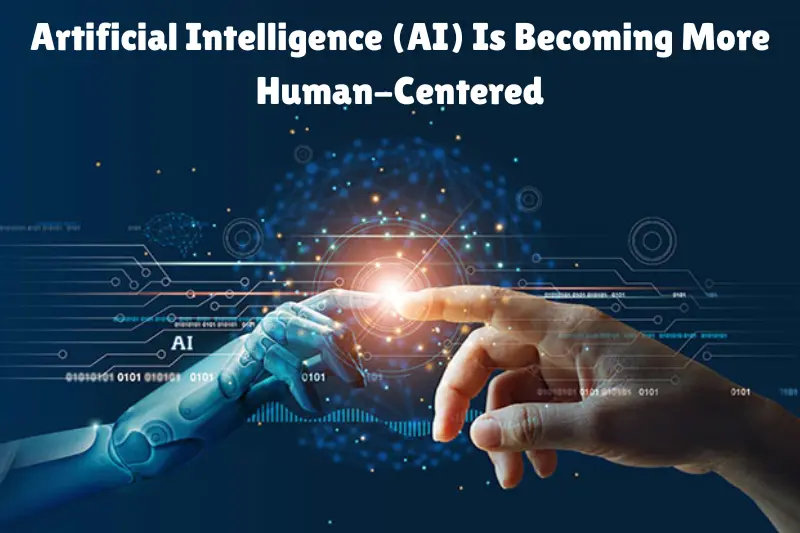
You’ve probably already experienced AI—whether through voice assistants like Siri, chatbots, or personalized Netflix suggestions. But upcoming tech innovations in AI are making it far more intelligent, adaptable, and useful.
What’s New:
- Generative AI (like ChatGPT) can create text, images, and even code.
- Explainable AI helps us understand how AI makes decisions.
- Autonomous AI can act independently in complex environments—think self-driving cars or automated stock trading.
Why It Matters:
AI is moving from narrow tasks to broad applications—impacting everything from customer service and marketing to scientific research. In healthcare, AI can now detect diseases earlier than human doctors. In finance, it’s managing risk better than ever before. The more it learns, the more value it creates.
2. Quantum Computing: Solving the Impossible
This might sound like sci-fi, but quantum computing is real—and advancing fast. Traditional computers use bits (1s and 0s). Quantum computers use qubits, which can represent multiple states at once thanks to quantum mechanics.
What’s New:
- Companies like IBM, Google, and startups are racing to build powerful, stable quantum machines.
- Quantum algorithms can simulate molecules, optimize complex systems, and crack encryption.
Why It Matters:
Quantum computing could revolutionize:
- Pharmaceuticals – Design new drugs in days instead of years.
- Climate science – Model the atmosphere more precisely.
- Finance – Optimize large portfolios or detect fraud in real time.
While it’s still early, the groundwork is being laid for a future where “impossible” problems become solvable.
3. Biotechnology: Rewriting Life Itself
We’re entering an age where we can edit life—not just treat illness. From CRISPR gene editing to synthetic biology, biotech is one of the most powerful upcoming tech innovations.
What’s New:
- Personalized medicine – Treatments based on your genes.
- Gene therapy – Fixing inherited conditions at the source.
- Regenerative medicine – Growing organs or repairing tissues.
Why It Matters:
Biotech will transform healthcare by:
- Preventing diseases before they occur.
- Eliminating genetic disorders.
- Extending human lifespan with healthier aging.
It also plays a role in agriculture, where gene editing improves crop yield and resistance to pests, helping to feed a growing global population.
4. 6G and Beyond: The Hyperconnected World
Just as we’re starting to enjoy the speed and bandwidth of 5G, researchers are already looking ahead to 6G. Expected around 2030, it will offer 100x the speed of 5G with ultra-low latency.
What’s New:
- 6G testbeds are being built in South Korea, China, and the U.S.
- It will enable real-time immersive experiences and advanced automation.
Why It Matters:
- Smart cities will be able to manage traffic, energy, and safety in real time.
- Metaverse experiences will feel seamless and ultra-realistic.
- Remote work and learning will reach new levels of interactivity.
6G is not just faster internet—it’s the backbone of a fully digital society.
You may also like to read this:
Top 12 Future Technology Trends Shaping The Next Decade
Top 15 Latest Technology Advancements To Watch In 2025
Top10 Emerging Technologies 2025 You Should Know About
Best 10 Future Gadgets And Devices For Everyday Use
5. Sustainable Tech: Saving the Planet with Innovation
Innovation isn’t just about shiny gadgets—it’s also about sustainability. As climate change becomes more urgent, upcoming tech innovations are focusing on energy efficiency, clean energy, and environmental protection.
What’s New:
- AI-powered smart grids balance energy use in real time.
- Next-gen batteries improve storage for solar and wind power.
- Carbon capture tech pulls CO₂ out of the atmosphere.
Why It Matters:
Sustainable tech helps industries reduce emissions, minimize waste, and create circular economies. It’s becoming clear: the future must be both high-tech and eco-conscious.
6. The Metaverse: More Than Just Virtual Reality

The term “metaverse” has been thrown around a lot, but the concept is growing more real. Imagine a persistent digital world where people work, socialize, and play—using virtual and augmented reality.
What’s New:
- Platforms like Meta (Facebook), Microsoft, and Nvidia are building virtual ecosystems.
- Digital avatars, virtual real estate, and crypto-based economies are expanding.
Why It Matters:
- Virtual collaboration in 3D workspaces.
- Education through immersive, interactive environments.
- New digital economies with jobs and income in virtual spaces.
It’s not just for gamers—it’s for anyone who wants to connect, learn, or create in new ways.
7. Robotics: Smarter, Safer, and More Social
Robots are no longer confined to factory floors. Thanks to AI and machine learning, they’re entering homes, hospitals, and disaster zones—able to adapt and even interact emotionally.
What’s New:
- Humanoid robots that respond to social cues.
- Medical robots assisting in surgeries or patient care.
- Delivery bots navigating real-world traffic.
Why It Matters:
Robots will fill labor gaps, assist aging populations, and increase safety in high-risk environments. They’re becoming helpers, not just machines.
8. Cybersecurity: Guarding the Digital Frontier
As tech evolves, so do threats. Every connected device is a potential entry point for hackers. That’s why cybersecurity is evolving too—leveraging AI, biometrics, and even quantum encryption.
What’s New:
- Zero-trust architecture assumes no user is safe by default.
- Behavioral AI flags suspicious activity instantly.
- Quantum-safe encryption is being developed to stay ahead of quantum threats.
Why It Matters:
Your data, identity, finances, and privacy are all at stake. With remote work and digital life becoming the norm, cybersecurity is more critical than ever.
9. Smarter IoT: Everyday Intelligence
The Internet of Things (IoT) isn’t new, but it’s getting a major upgrade. Devices aren’t just connected—they’re becoming context-aware and more autonomous.
What’s New:
- AI-enhanced IoT adapts to user behavior.
- Industrial IoT optimizes factories, farms, and logistics.
- Wearables are evolving into real-time health monitors.
Why It Matters:
From managing your home’s energy use to predicting equipment failure in a factory, smarter IoT improves efficiency, safety, and convenience across the board.
10. Ethical Innovation: Tech That’s Accountable
With great power comes great responsibility. The more powerful our tools, the more we need ethical frameworks to guide them.
What’s New:
- Governments are drafting AI regulations and digital privacy laws.
- Companies are investing in AI ethics teams.
- Global organizations are discussing digital human rights.
Why It Matters:
Innovation must be inclusive, fair, and safe. From biased algorithms to surveillance risks, the conversation around responsible tech is as important as the tech itself.
How Upcoming Tech Innovations Will Change Your Daily Life
You don’t need to be in Silicon Valley to feel the effects of these innovations. In fact, some of the most dramatic changes are happening right where you live, work, and learn.
In Education: Personalized & Immersive Learning
With AI, virtual reality, and advanced connectivity, education is moving far beyond the traditional classroom.
- AI tutors will provide one-on-one learning experiences for students, adapting lessons in real time to suit learning styles.
- Virtual and augmented reality will allow students to explore historical landmarks, dive into 3D chemistry experiments, or even perform virtual surgeries.
- Blockchain in education could securely store credentials and academic records, making them easily verifiable and globally accessible.
The Big Idea: Education becomes more accessible, engaging, and tailored—no matter where you are.
In Business: Efficiency, Automation & Strategy
Whether you run a startup or a global enterprise, upcoming tech innovations are changing how businesses operate.
- AI and data analytics help companies predict trends, understand customers, and improve decision-making.
- Automation reduces repetitive tasks, freeing up humans for creative and strategic work.
- Digital twins—virtual replicas of physical products or systems—help companies simulate performance and catch problems before they happen.
Result? Lower costs, faster innovation cycles, and more customer-centric experiences.
In Healthcare: Proactive and Predictive Care
The healthcare system is shifting from reactive to predictive—thanks to AI, biotechnology, and IoT.
- Wearables monitor your heart, sleep, and activity in real time.
- AI algorithms can detect diseases like cancer or diabetes before symptoms appear.
- Remote diagnostics and telemedicine mean you don’t have to visit the doctor to get personalized care.
The Outcome: Better outcomes, earlier interventions, and more personalized treatment for every individual.
The Challenges of Upcoming Tech Innovations
With great innovation comes great responsibility. While these technologies promise a better future, they also bring complex challenges we need to tackle head-on.
1. Privacy and Data Security
More connected devices mean more personal data is being collected, shared, and stored. How do we make sure it’s protected?
- Stronger encryption and user control over data are key.
- Regulations like the GDPR and new AI-specific laws aim to give users more rights over their digital footprint.
Bottom Line: Transparency and accountability must evolve alongside the tech.
2. Ethical Concerns with AI and Automation
- Bias in AI can lead to discrimination in hiring, loans, or legal decisions.
- Automation could displace certain jobs, raising concerns about unemployment and inequality.
To counter this, we need:
- Diverse datasets to reduce bias.
- Reskilling and upskilling programs to help workers adapt.
- Clear ethical guidelines for developers and organizations using AI.
3. Regulation vs. Innovation
Governments around the world are trying to keep up with the pace of innovation without stifling progress. That’s a tough balancing act.
- Too little regulation can lead to exploitation or harm.
- Too much regulation might hinder valuable innovation.
The solution? Collaborative governance—where tech leaders, policymakers, and the public shape ethical and legal frameworks together.
What You Can Do: Be a Smart Tech Citizen
You don’t need to be a developer to participate in this exciting tech revolution. Here’s how you can stay ahead:
- Stay curious. Read about new tech trends. Follow trusted tech sources.
- Ask questions. If something sounds too good—or too scary—to be true, dig deeper.
- Advocate for ethics. Support businesses and policies that prioritize transparency, sustainability, and fairness.
- Learn digital skills. Even basic tech knowledge will make a difference in your career and daily life.
Remember: the future isn’t something that just happens to us. It’s something we help build.
Conclusion
The world of upcoming tech innovations is moving fast—bringing powerful tools like AI, quantum computing, biotechnology, and 6G into our everyday lives. These technologies are opening doors to better healthcare, smarter education, sustainable living, and more connected communities.
But with great innovation comes great responsibility. It’s up to all of us—not just developers or CEOs—to ensure tech is used ethically, transparently, and for the greater good.
Stay curious, stay informed, and stay engaged. Because the future of technology isn’t just coming—it’s being built right now, and you are part of it.
FAQs
Q1: What are upcoming tech innovations?
A: Upcoming tech innovations are new and emerging technologies—like artificial intelligence, quantum computing, biotechnology, and 6G—that are currently being developed or tested and are expected to significantly impact how we live, work, and interact in the near future.
Q2: Why should I care about upcoming tech innovations?
A: These innovations are already transforming industries like healthcare, education, finance, and transportation. They can improve everyday life by making services faster, smarter, more personalized, and more efficient. Staying informed helps you adapt and benefit from these changes.
Q3: How soon will these technologies affect our daily lives?
A: Some innovations—like AI, wearables, and IoT—are already in use. Others, like quantum computing or 6G, are still a few years away from widespread adoption. However, development is accelerating, and their influence will be felt sooner than many expect.
Q4: Are upcoming technologies safe and secure?
A: Many innovations come with risks, especially around privacy, cybersecurity, and ethics. That’s why developers, companies, and governments are working on laws and safeguards to ensure these technologies are used responsibly and safely.
Q5: Will AI and automation replace human jobs?
A: Some routine jobs may be automated, but new roles are also being created—especially in tech, data analysis, cybersecurity, and robotics. Upskilling and reskilling are essential to stay competitive in the evolving job market.