
The Role of Wireless Gadgets in Modern Audio Video Installation
Traditional audio video installation once meant crawling through attics, drilling holes through walls, and managing endless tangles of cables. Those days are rapidly becoming history as wireless technology transforms how we approach AV systems. Whether you’re setting up a home theater or outfitting a commercial space, wireless solutions are making audio video installation more flexible, cost-effective, and aesthetically pleasing than ever before.
Benefits of Wireless in AV Systems
Flexibility and Aesthetics
The most obvious advantage of wireless audio video installation is the elimination of cable clutter. Gone are the unsightly wire runs across ceilings and the need to plan room layouts around cable paths. Wireless technology allows speakers to be positioned based on acoustic performance rather than proximity to power outlets and signal sources.
This flexibility extends beyond initial setup. Wireless systems can be reconfigured quickly when spaces change or when clients want to experiment with different speaker placements. The clean, minimalist look that wireless installation provides has become a selling point for both residential and commercial clients who value modern aesthetics.
Scalability and Cost Efficiency
Wireless technology significantly reduces labor costs in audio video installation projects. Installers spend less time running cables and more time on system optimization and client training. The reduced installation time translates directly into cost savings for clients and improved profitability for installation companies.
Scalability becomes much simpler with wireless systems. Adding new speakers or displays to an existing setup doesn’t require additional cable runs or infrastructure modifications. This makes it easier to phase installations or expand systems as budgets allow.
Key Wireless Technologies in AV
Wi-Fi and Bluetooth Applications
Wi-Fi has become the backbone of modern audio video installation, supporting high-bandwidth applications like 4K video streaming and multi-room audio systems. Wi-Fi 6 and newer standards provide the stability and bandwidth needed for professional AV applications, though careful network planning remains essential.
Bluetooth, while limited in range and bandwidth, excels in personal audio applications and temporary connections. Many installation professionals use Bluetooth for system configuration and troubleshooting, even in primarily Wi-Fi-based systems.
Emerging Wireless Standards
New wireless protocols designed specifically for AV applications are emerging. These technologies promise lower latency, higher bandwidth, and better interference management than consumer-grade wireless standards. As these protocols mature, they’ll likely become standard tools in professional audio video installation.
Practical Applications Across Different Spaces
Home Theater Environments
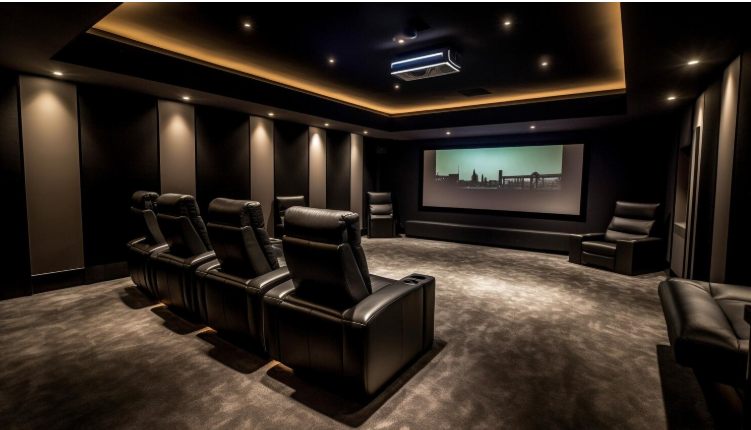
Wireless home theater systems have transformed residential audio video installation. Wireless surround sound speakers eliminate the need for in-wall wiring, making high-quality surround sound accessible in existing homes without major construction.
Streaming devices and wireless projectors allow for flexible entertainment spaces where the “theater” can be relocated based on the occasion. This flexibility appeals to families who want quality AV experiences without dedicating entire rooms to entertainment systems.
Commercial and Office Integration
Conference rooms benefit enormously from wireless audio video installation. Wireless presentation systems eliminate the need for cable connections, allowing any device to share content seamlessly. This improves meeting efficiency and reduces technical difficulties that often plague traditional wired conference room setups.
Digital signage applications also leverage wireless connectivity for easier content management and reduced installation complexity. Displays can be positioned based on visibility and impact rather than proximity to network connections.
Addressing Wireless Challenges
Managing Interference
The biggest challenge in wireless audio video installation remains interference management. Professional installers must understand local RF environments and plan accordingly. Site surveys and spectrum analysis tools have become essential parts of the installation process.
Proper channel planning and the use of professional-grade wireless equipment help minimize interference issues. Many installation professionals now include ongoing wireless monitoring as part of their service offerings.
Security Considerations
Wireless AV systems require robust security measures to protect against unauthorized access and potential vulnerabilities. Professional audio video installation must include network segmentation, encryption, and regular security updates as standard practices.
The Future of Wireless AV
5G and Next-Generation Connectivity
5G technology promises to revolutionize wireless audio video installation by providing unprecedented bandwidth and ultra-low latency. As 5G networks mature, they’ll enable new applications like real-time 8K video streaming and cloud-based audio processing.
Conclusion
Wireless technology has fundamentally changed the landscape of audio video installation. The benefits—from improved aesthetics and flexibility to reduced costs and easier scalability—make wireless solutions increasingly attractive for both installers and clients.
As wireless standards continue to evolve and mature, the gap between wired and wireless performance continues to narrow. Forward-thinking installation professionals who embrace these technologies and develop expertise in wireless system design will be best positioned to serve clients’ evolving needs.