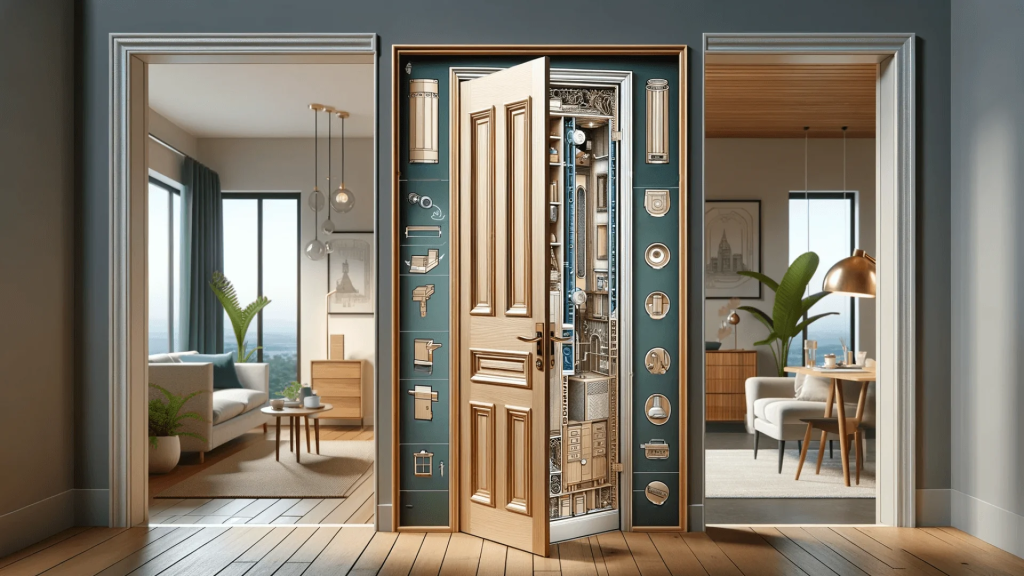

An architraveis a decorative molding that frames doors and windows, creating a polished transition between the wall and the frame. Its primary purpose is to cover gaps or joints between the wall and door or window frame, ensuring a clean, finished appearance. Beyond practicality, architraves add architectural detail and character to a room, enhancing the overall aesthetic of interior spaces. They can be simple and understated or elaborate and decorative, depending on the style of the home.
How do architraves improve the appearance of doors and windows?
Architraves provide visual definition to doors and windows, highlighting these openings as key architectural features. By framing them neatly, they create a sense of proportion and symmetry. They can complement the design style of a room, whether modern, traditional, or eclectic, and add depth and texture to otherwise flat wall surfaces. A well-chosen architrave design can make doors and windows look more substantial and luxurious, elevating the overall interior design.
What materials are commonly used for architraves?
Architraves are available in a variety of materials, each offering distinct benefits:
- MDF (Medium-Density Fiberboard): Popular due to its affordability, smooth surface, and ease of painting. Ideal for modern or minimalist interiors.
- Wood: Provides a classic, warm finish that can be painted or stained. Hardwoods are durable, while softwoods are cost-effective.
- PVC or Vinyl: Moisture-resistant and low-maintenance, suitable for bathrooms, kitchens, and high-humidity areas.
- Metal: Offers a contemporary and industrial aesthetic, providing long-lasting durability.
Can architraves protect walls around doors and windows?
Yes, architraves offer practical protection by covering edges of walls that are prone to chipping, dents, or scuff marks. High-traffic areas, such as doorways, can benefit from the added durability of architraves. They also conceal minor imperfections in plaster or drywall that may occur during construction or renovation. Additionally, architraves protect walls from damage caused by furniture, handles, or repeated use of doors.
Do architraves come in different styles?
Architraves are available in numerous styles to match various interior designs:
- Plain or minimalist: Simple, straight lines for a modern or contemporary look.
- Beaded or grooved: Adds subtle texture and decorative detail.
- Decorative or profiled: Features ornate carvings or patterns for classic or traditional interiors.
- Wide or tall architraves: Creates a bold statement, suitable for high ceilings or grand interiors.
How do you choose the right architrave for a room?
Selecting the right architrave involves considering several factors:
- Design style: Modern spaces favor minimalistic profiles, while traditional interiors suit ornate or detailed designs.
- Room size and ceiling height: Taller architraves can enhance proportion in large rooms, while slimmer profiles fit smaller spaces.
- Material and durability: Consider moisture exposure and wear. MDF or PVC is ideal for maintenance-free areas, whereas wood adds elegance.
- Color and finish: Architraves can match the wall color for subtlety or contrast for emphasis. Painting or staining can personalize the look further.
Can architraves be used in both doors and windows?
Yes, architraves are versatile and can frame both doors and windows. Matching architraves across all openings in a room creates cohesion and a unified design. They can also be used selectively to highlight specific architectural features or focal points, enhancing the overall visual appeal of the interior space.
How do architraves complement interior design themes?
Architraves contribute significantly to a room’s design narrative. In traditional homes, ornate architraves enhance elegance and historical charm. In contemporary interiors, simple, clean-lined architraves maintain a minimalist and streamlined appearance. Architraves can also tie together other design elements such as skirting boards, cornices, and wall panels, creating harmony throughout the home.
Are architraves difficult to install?
Installation complexity depends on the material, profile, and room layout. Straight walls and standard-sized doors and windows are easier to work with, while angled corners or irregular openings require precise cutting and joining. MDF and PVC architraves are generally easier to cut and fit, making them suitable for DIY installation. Solid wood architraves may require professional installation to achieve perfect alignment and finish. Glue, nails, or screws can secure architraves depending on the chosen material.
Can architraves be painted or stained?
Yes, most architraves can be customized with paint or stain to suit interior decor. MDF and wood architraves are particularly suitable for painting, allowing homeowners to match walls or create contrasting accents. Staining wood architraves enhances natural grain and warmth, complementing wooden floors or furniture. Painting and staining also protect the material, extending the life and appearance of the architrave.
Do architraves require maintenance?
Architraves are relatively low-maintenance. Regular dusting and occasional wiping with a damp cloth keep them clean. Painted or stained architraves may need periodic touch-ups to maintain a fresh appearance, especially in high-traffic areas. PVC or vinyl architraves are particularly easy to care for and resistant to moisture, making them ideal for kitchens, bathrooms, or utility spaces.
Can architraves hide gaps or uneven wall surfaces?
Yes, one of the functional advantages of architraves is concealing imperfections. They cover gaps between the wall and door or window frame, hide uneven plasterwork, and mask slight misalignments. This ensures a neat and professional finish, giving walls a seamless and polished look.
Do architraves affect property value?
Architraves enhance the perceived quality and detail of a home’s interior, which can positively influence property value. Well-chosen, professionally installed architraves signal attention to design and craftsmanship. They contribute to a finished, elegant look that appeals to potential buyers, improving the overall impression of the property.
Are there architraves suitable for modern, minimalist interiors?
Absolutely. Minimalist architraves feature straight lines, slim profiles, and smooth finishes. They provide definition without drawing attention away from other design elements. Modern materials such as MDF or PVC work well for sleek, low-maintenance designs. Invisible or recessed architrave styles are also popular in contemporary interiors, offering subtle framing without prominent molding.
Can architraves be used with skirting boards and cornices?
Yes, architraves are often paired with skirting boards, cornices, and other trims to create cohesive interior detailing. Coordinated profiles across walls, ceilings, doors, and windows unify the design, enhancing the sense of proportion and architectural harmony. Matching or complementary finishes between architraves and other trims can elevate the style and create a complete, elegant look.
Do architraves help with insulation or soundproofing?
While architraves are not primarily designed for insulation or soundproofing, they can contribute marginally by covering small gaps around doors and windows. This helps reduce drafts, dust, and minor noise leakage. In combination with seals or weatherstripping, architraves can support a more comfortable and quiet interior environment.
Can architraves be customized for unusual openings?
Yes, architraves can be tailored to fit non-standard doors or windows, including arched, tall, or wide openings. Custom profiles allow homeowners to achieve a balanced and proportional appearance even in unique architectural settings. Skilled craftsmanship ensures precise measurements, clean joints, and a seamless finish, maintaining aesthetic appeal while accommodating irregular dimensions.
Are there eco-friendly options for architraves?
Eco-friendly architraves are available in sustainably sourced wood, recycled MDF, or low-formaldehyde materials. Choosing water-based paints or stains further reduces environmental impact. PVC or vinyl architraves can also be recycled, providing a sustainable choice for modern interiors while maintaining durability and low maintenance.
How do architraves complement different wall and door colors?
Architraves offer flexibility in color coordination. They can match wall colors for a subtle, cohesive look, or contrast with walls and doors for a striking, defined effect. Lighter-colored architraves can brighten a room and emphasize the architectural features, while darker tones add sophistication and depth. Customizing colors allows homeowners to create visually balanced interiors that suit personal preferences and design themes.
Can architraves be used in all rooms of a home?
Yes, architraves are suitable for virtually every room, including bedrooms, living rooms, kitchens, bathrooms, and hallways. Moisture-resistant materials such as PVC or treated wood are ideal for kitchens and bathrooms, while MDF or wood is commonly used in living spaces and bedrooms. They can also be incorporated into commercial spaces, offices, or hotels to enhance interior detail and protect wall edges around doors and windows.
How often should architraves be replaced or updated?
Architraves are durable and can last many years with proper care. Replacement or updates may be necessary if they are damaged, warped, outdated, or no longer match the interior design. Refreshing architraves can transform a room’s look without major renovations, offering a simple yet effective way to modernize or refine interiors.
Conclusion
Architraves are an essential element in interior design, providing both functional and aesthetic benefits. They frame doors and windows, conceal gaps, protect walls, and add architectural detail that enhances a room’s character. With a wide variety of materials, styles, and finishes, architraves can suit modern, traditional, or eclectic interiors. Beyond visual appeal, they improve maintenance, offer subtle insulation benefits, and contribute to a polished, cohesive home environment. Carefully chosen and professionally installed architraves elevate the overall design, making them a valuable feature in any property.