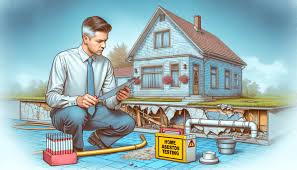

Preparing a property for an asbestos test is a critical step in ensuring the safety of occupants, workers, and the environment. Asbestos, a fibrous mineral once commonly used in construction materials, poses serious health risks when disturbed. Inhalation of asbestos fibers can lead to asbestosis, lung cancer, and mesothelioma. Conducting a professional asbestos test provides valuable information about the presence and condition of asbestos-containing materials (ACMs), but accurate results depend heavily on proper preparation of the property. This article provides a detailed, step-by-step guide to preparing your property for an accurate asbestos test.
Step 1: Understand the Purpose and Scope of Testing
Before beginning any preparations, it is essential to understand why an asbestos test is necessary and what it involves. Asbestos testing identifies materials that may contain asbestos, determines the type of asbestos present, and assesses the condition of the materials. Testing may be required for various reasons, including renovations, demolitions, property sales, or routine safety inspections. Knowing the scope helps determine which areas of the property need attention and ensures that the testing process is thorough and effective.
Step 2: Notify Occupants and Stakeholders
Once the need for testing is confirmed, notify all occupants and relevant stakeholders about the upcoming process. Clear communication ensures that residents, employees, or tenants understand that testing is a precautionary safety measure. It also allows them to prepare by removing personal items from testing areas and following any safety instructions provided by the asbestos testing professional. Early notification helps reduce stress and minimizes the risk of accidental exposure.
Step 3: Clear Access to Potential Asbestos-Containing Materials
Access to ACMs is crucial for accurate testing. Inspect the property and ensure that areas likely to contain asbestos are easily accessible. These areas commonly include:
- Insulation around pipes, boilers, and ductwork
- Ceiling tiles and coatings
- Floor tiles, linoleum, and adhesives
- Roofing materials, soffits, and eaves
- Wall panels, plaster, and textured coatings
Remove obstructions such as furniture, storage items, or equipment from these areas to allow the asbestos professional to perform thorough inspections and take representative samples. Ensuring clear access reduces the likelihood of overlooking hidden ACMs and improves the accuracy of the test.
Step 4: Minimize Disturbances Before Testing
Asbestos fibers can become airborne if ACMs are disturbed, so it is essential to avoid touching, drilling, sanding, or otherwise disturbing materials prior to testing. Even minor damage can release fibers into the air, compromising both safety and test accuracy. Inform everyone in the property to refrain from any activities that could disturb potential ACMs. Maintaining intact materials ensures that the test reflects the true condition of asbestos-containing materials without introducing false positives or contamination.
Step 5: Remove or Protect Personal Belongings
Personal belongings, electronics, and delicate items should be removed from areas where asbestos testing will take place. If removal is not possible, cover these items with protective sheeting to prevent contamination. This step protects both the belongings and the occupants from exposure and ensures that testing professionals can work efficiently without interference. Proper preparation of personal items also demonstrates diligence and responsibility, which can be especially important in multi-tenant or commercial properties.
Step 6: Ensure Proper Lighting and Ventilation
Adequate lighting is important for identifying potential asbestos-containing materials during the visual inspection phase of testing. Ensure that areas are well-lit or provide portable lighting to testing professionals if necessary. Ventilation should be controlled carefully. Open windows and doors can introduce drafts that spread dust or fibers, while sealed spaces may allow safer containment during sample collection. Consult with the testing professional about the best approach to ventilation for each area.
Step 7: Create a Floor Plan or Site Map
A clear floor plan or site map can assist the asbestos testing team in identifying areas to inspect. Mark rooms, areas with suspect materials, and any restricted or hard-to-access locations. This visual guide helps ensure that no area is overlooked and that samples are collected from representative locations throughout the property. A detailed site map also aids in documenting results and planning any future remediation or removal work.
Step 8: Identify Previous Renovations or Repairs
Any previous renovations, repairs, or alterations to the building can affect asbestos testing. Materials installed or replaced at different times may contain asbestos, especially in properties built before the 1990s. Compile a list of previous work, including dates, materials used, and contractors involved, if known. This information provides the testing professional with valuable context for locating suspect materials and understanding the history of the property.
Step 9: Remove Loose Debris and Dust
Clean the property of loose debris, dust, and clutter before testing. Sweeping, vacuuming with HEPA-filtered vacuums, and general tidying reduces the risk of contamination that could interfere with sample collection or air monitoring. Avoid disturbing suspect materials during cleaning. Focus on clearing areas around walls, floors, ceilings, and hidden spaces where ACMs may be present. A cleaner environment ensures that samples are representative and that testing results are reliable.
Step 10: Arrange for Utility Access
Some ACMs may be located in areas that require access to utility systems, such as electrical panels, HVAC ducts, or plumbing spaces. Coordinate with building management or service providers to ensure that these areas are accessible during testing. Securing access ahead of time prevents delays and ensures that the testing team can reach all potential sources of asbestos.
Step 11: Plan for Safety and Containment
Although asbestos testing is generally low-risk when conducted professionally, safety precautions are essential. Confirm that the testing team has appropriate personal protective equipment, including respirators, gloves, and disposable clothing. Discuss containment procedures, such as sealing off areas, using drop sheets, and controlling airflow to prevent fiber spread. Preparing the property for safe containment ensures that the testing process does not introduce hazards to occupants or workers.
Step 12: Coordinate with Licensed Asbestos Professionals
Engaging a licensed asbestos professional is critical for accurate testing. These experts have specialized training in sampling, laboratory analysis, and regulatory compliance. Coordinate schedules, confirm the scope of work, and provide the testing team with the site map, floor plans, and relevant historical information. Clear communication with professionals ensures that testing is comprehensive, efficient, and compliant with all applicable safety and legal standards.
Step 13: Document Property Conditions Before Testing
Take photographs and notes to document the condition of the property before testing begins. Record the location of suspect materials, visible damage, and any areas of concern. This documentation provides a baseline for interpreting test results and supports any subsequent remediation efforts. Proper record-keeping also helps with insurance, regulatory reporting, and accountability.
Step 14: Prepare Occupants for Temporary Restrictions
During asbestos testing, some areas of the property may be temporarily restricted for safety reasons. Inform occupants about these restrictions and provide alternative routes or spaces if necessary. Clear communication helps minimize inconvenience and ensures cooperation throughout the testing process. Preparing occupants also demonstrates a proactive approach to health and safety, which can be particularly important in commercial or multi-family buildings.
Step 15: Plan for Post-Test Actions
Before testing begins, consider potential post-test actions based on possible results. These may include removal, encapsulation, or ongoing management of asbestos-containing materials. Knowing in advance what steps may be required allows for quicker decision-making and efficient coordination with licensed removal contractors if necessary. Preparing for post-test actions also ensures that safety and regulatory compliance are maintained after results are received.
Step 16: Review Legal and Regulatory Requirements
Familiarize yourself with local regulations regarding asbestos testing and management. Compliance with laws and guidelines is essential for safety, legal protection, and insurance purposes. Provide the testing professional with any relevant regulatory documentation and ensure that all procedures follow official standards. Awareness of legal requirements helps avoid penalties and ensures that results are recognized for future renovations or property transactions.
Step 17: Maintain Communication During Testing
During the asbestos test, maintain communication with the testing team. Address questions, provide access as needed, and monitor progress to ensure the process remains on schedule. Open communication helps address unexpected issues and allows the team to work efficiently while maintaining safety protocols. Being available for guidance or clarification also contributes to more accurate results.
Step 18: Review Preliminary Observations
If the testing team provides preliminary observations or findings on-site, review these carefully. This early information can highlight areas requiring extra caution, influence containment strategies, and help plan immediate safety measures. While final results will come from laboratory analysis, preliminary observations provide valuable guidance for ongoing activities during testing.
Step 19: Ensure Proper Handling and Transport of Samples
After sample collection, verify that samples are securely sealed, labeled, and transported to a certified laboratory. Proper handling prevents contamination, preserves sample integrity, and ensures accurate laboratory analysis. Confirm that chain-of-custody documentation is complete to maintain accountability and compliance with regulatory requirements.
Step 20: Plan for Results Interpretation and Action
Finally, prepare to interpret the test results and determine next steps. Once laboratory analysis is complete, review the findings with the asbestos professional to understand the type, location, and condition of any ACMs. Based on the results, implement a management plan that may include monitoring, removal, or encapsulation of asbestos. Proper preparation ensures that follow-up actions are well-informed, safe, and compliant with all safety standards.
Conclusion
Preparing a property for an asbestos test requires careful planning, communication, and attention to safety. By following these twenty steps—including understanding the testing scope, notifying occupants, clearing access, minimizing disturbances, protecting belongings, ensuring lighting and ventilation, coordinating with professionals, and planning post-test actions—property owners can support accurate and reliable results. Proper preparation not only enhances the effectiveness of the asbestos test but also protects the health of occupants, workers, and the environment. A systematic approach ensures that any asbestos-related hazards are identified and managed responsibly, creating a safer and more compliant building environment.