
In aviation maintenance, “we think it’s fine” isn’t good enough. You need clear, documented evidence of what’s happening inside engines, APUs and structures—and you need it without tearing everything apart. Modern borescopes and videoscopes are the backbone of that remote visual inspection capability.
But not all systems are built for the same job. Portable, handheld units and larger bench-top systems each bring very different strengths to an MRO shop or airline maintenance operation. Understanding where each one shines—and where it falls short—is key if you want to maximise uptime, control costs and keep your inspections aligned with OEM and regulatory expectations.
What do we mean by portable vs. bench-top borescopes?
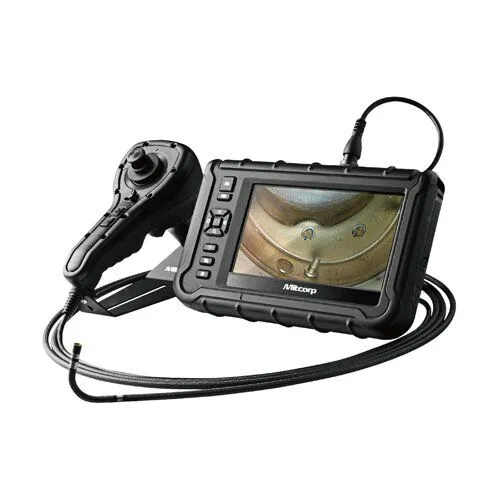
Portable borescopes
Portable borescopes are self-contained, handheld systems with:
- Built-in displays
- Battery power
- Lightweight, rugged housings
- Probes designed for quick deployment on the line or around the hangar
They’re made for mobility—AOG call-outs, line checks, and quick investigations where time and access are limited.
Bench-top borescopes
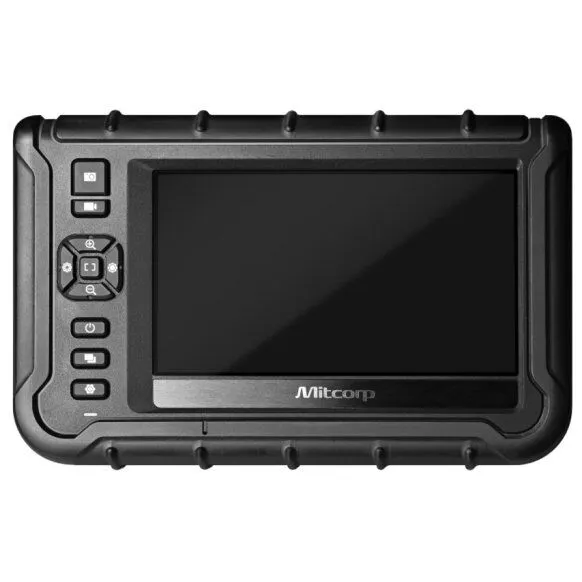
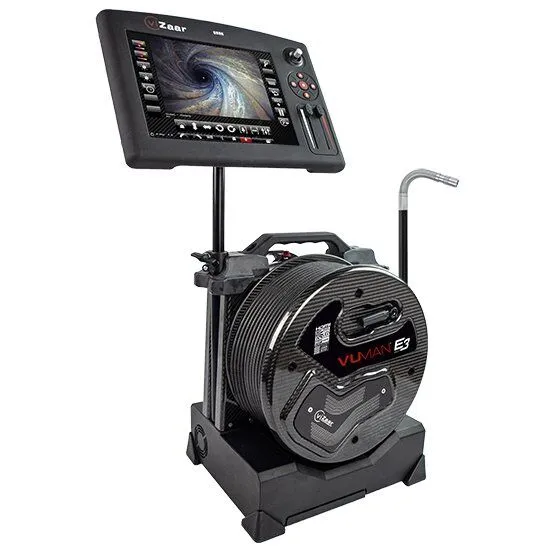
Bench-top systems are larger, usually mains-powered units designed to live in the shop. They often offer:
- Bigger, higher-resolution monitors
- More advanced measurement and image processing tools
- Multiple probe options and accessories
- Comfortable, ergonomic controls for long inspections
These systems favour maximum image quality and functionality over portability and are particularly valuable wherever deep-dive inspections and detailed documentation are routine.
Both types play important roles across aviation and other inspection-heavy industries; the question isn’t “which is better?”, but “which is better for this job?”
The advantages of portable borescopes in aviation maintenance
Speed and flexibility on the line
When an aircraft goes AOG, the clock is ticking. Portable borescopes help technicians:
- Get eyes on engines, APUs and structures within minutes
- Move easily between stands, gates and remote bays
- Scope multiple access ports without dragging around extra equipment
That speed often turns “we’re not sure yet” into a clear go/no-go decision early in the troubleshooting process.
Ideal for on-wing and field inspections
On-wing inspections, turn-time checks and remote site work all benefit from a system you can carry in one hand. Portable borescopes are built for:
- Working in tight spaces around stands, lifts and service vehicles
- Quick setup and teardown between aircraft
- Battery-powered operation where mains power isn’t practical
For many operators, a good portable system is the first tool reached for when something unexpected appears in trend data or cockpit indications.
Lower barrier to adoption
Handheld units are generally easier to introduce across a team:
- Shorter training curve
- Simpler logistics (just grab the case and go)
- Less intimidating for new technicians
That makes it more likely that borescope checks actually get performed when procedures call for them, instead of being quietly skipped because the “big system” feels too cumbersome for a small job.
Where bench-top borescopes still excel
Maximum image quality and analysis
When you’re doing detailed turbine blade assessments, investigating recurring defects or compiling evidence for engineering and OEM review, bench-top systems come into their own. They usually provide:
- Larger, higher-resolution displays for close, comfortable viewing
- More powerful processing for contrast enhancement and digital zoom
- Advanced measurement tools for cracks, nicks and clearances
That extra visual performance can be the difference between “it might be okay” and a confident, well-documented call that everyone can stand behind.
Ergonomics for long, complex inspections
Some inspections simply take time—multiple stages, many blades and repeated views at different angles. Bench-top systems are designed for this reality:
- Stable platforms and comfortable hand controls
- Less arm fatigue than holding a handheld unit at awkward angles
- Easier collaboration around a shared screen
Over long shifts, that ergonomic advantage can translate into more consistent results and fewer mistakes made through fatigue.
Multi-probe flexibility and specialist functions
Bench-top platforms often support more probe configurations and accessories, making them ideal for:
- Shops handling a wide range of engine types
- Training environments where instructors need to demonstrate techniques
- Specialised tasks that benefit from particular optics or lighting setups
For these higher-end, multi-role systems, having access to specialist inspection equipment services helps maintain performance and extend lifespan, protecting a larger upfront investment.
Choosing the right system for the right aviation maintenance task
When portable is the better fit
A portable borescope is usually the best choice when:
- You’re troubleshooting on the line or at a remote stand
- The main goal is rapid confirmation or elimination of a suspected issue
- Power access is limited or unreliable
- You need a rugged tool that can live in a flight-line toolbox or service vehicle
In these scenarios, the small trade-off in ultimate image quality is outweighed by speed, convenience and flexibility.
When bench-top delivers more value
A bench-top system is often the smarter choice when:
- Inspections are planned, detailed and documentation-heavy
- You’re completing scheduled borescope tasks in an MRO engine shop
- Engineering, quality and OEM representatives need to review images in detail
- Training, measurement and advanced analysis are part of the routine
Here, the priority is getting the best possible visual information and making it easy to share, store and review—not racing against an AOG clock.
Why most aviation organisations need both
For many operators and MROs, the optimum setup isn’t “portable or bench-top”, it’s portable and bench-top. A practical mix might be:
- One or more portable systems for line and field work
- One or two bench-top systems in the shop for deep-dive inspections and training
That combination ensures there’s always a suitable tool available, whatever the inspection scenario.
Building a balanced borescope strategy for your hangar
A borescope strategy that leans too heavily on one type of system can create bottlenecks. Rely only on bench-top equipment and you risk delays for straightforward line checks; rely only on handheld units and you may struggle when you need high-precision blade assessments, measurement and collaborative review.
USA Borescopes focuses specifically on remote visual inspection for aviation and other technical fields and understands how portable and bench-top systems complement each other in real hangars and engine shops. Their experience helping operators and MROs build balanced, fit-for-purpose inspection capabilities is outlined on the company’s About Us page.
If you’re reviewing your current RVI toolkit, planning a new hangar setup or trying to decide whether to invest next in portable upgrades or a bench-top platform, it’s worth speaking with a specialist who works with both every day. To discuss your engine mix, inspection workload and budget and get practical recommendations on the right blend of systems, contact USA Borescopes and connect with their technical team.
About the Author
This guest article was written by a technical content writer specialising in aviation maintenance and inspection technology. They work with equipment manufacturers, MROs and operators to turn real hangar experience into clear, practical guidance that helps teams choose the right borescope setups to improve safety, reduce downtime and support better engineering decisions.