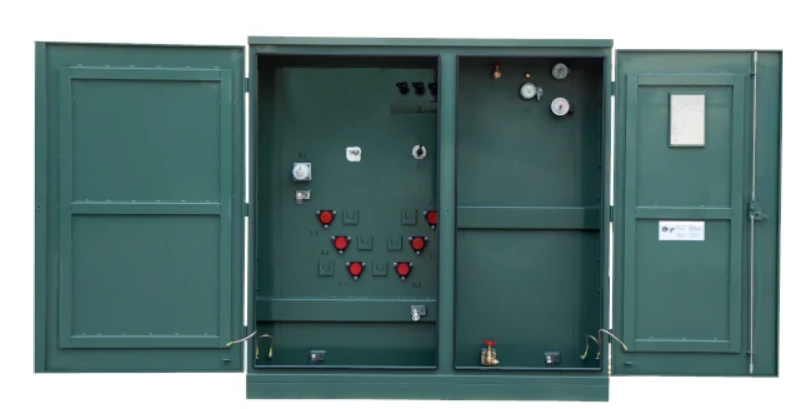

In modern electrical systems, ensuring safety and reliability is not just important—it is essential. One of the most fundamental practices that supports both is grounding a transformer. Whether in industrial plants, substations, or renewable energy systems, proper transformer grounding plays a key role in maintaining stable operations and preventing electrical hazards.
Without grounding, electrical systems become unpredictable. Voltage levels can fluctuate, faults may go undetected, and equipment can suffer serious damage. This is why engineers often rely on a ground transformer or other grounding methods to create a safe and controlled electrical environment.
What is Transformer Grounding?
Transformer grounding is the process of connecting a transformer or electrical system to the earth. This connection establishes a stable reference point for voltage and provides a path for fault currents to safely dissipate.
In three-phase systems, particularly those using delta configurations, a natural neutral point may not exist. In such cases, a ground transformer is used to create an artificial neutral, allowing effective grounding to take place.
The purpose of grounding includes stabilizing voltage, enabling fault detection, protecting equipment, and ensuring safety for personnel. Without it, the entire system operates without a reliable reference, increasing the risk of instability.
Risks of Ungrounded Systems
Overvoltage Conditions
One of the biggest dangers of not grounding a transformer is the risk of overvoltage. In an ungrounded system, a single line-to-ground fault may not produce enough current to trigger protective devices. As a result, the system continues operating under abnormal conditions.
During this time, the voltage in the unaffected phases can rise significantly, placing stress on insulation and increasing the likelihood of equipment failure. This condition can persist unnoticed, making it especially dangerous.
Undetected Faults
Without proper transformer grounding, faults may go unnoticed for long periods. Since there is no clear path for fault current, protective systems may not detect the issue.
This leads to continuous stress on the system and increases the chances of multiple faults occurring simultaneously. Over time, this can result in major system failures and costly downtime.
Equipment Damage
Electrical equipment is designed to operate within specific voltage limits. In ungrounded systems, voltage fluctuations and surges can cause insulation breakdown, overheating, and premature failure.
Using a ground transformer helps maintain voltage stability and prevents such damage, ensuring that equipment operates within safe limits.
Safety Hazards
Ungrounded systems can create dangerous conditions for personnel. Exposed metal parts may carry unexpected voltages, increasing the risk of electric shock.
Proper grounding a transformer ensures that these voltages are safely directed to earth, reducing the risk of injury and improving workplace safety.
How Grounding Stabilizes Voltage
Establishing a Reference Point
One of the primary functions of transformer grounding is to establish a fixed reference point for the system. This reference ensures that all voltages are measured relative to earth, providing consistency and stability.
With a stable reference point, the system operates more predictably, reducing the likelihood of voltage fluctuations.
Preventing Voltage Imbalance
In ungrounded systems, voltage levels can become unbalanced due to faults or uneven loads. Grounding prevents this by maintaining equal voltage distribution across all phases.
This balance is essential for protecting equipment and ensuring efficient operation.
Controlling Transient Surges
Electrical systems are often exposed to transient events such as lightning strikes or switching operations. These events can cause sudden voltage spikes.
Proper transformer grounding helps absorb and dissipate these surges, protecting sensitive equipment and maintaining system stability.
Role of a Ground Transformer
Creating a Neutral Point
In systems where a natural neutral does not exist, a ground transformer is used to create one. This is especially important in delta-connected systems, where grounding cannot be achieved directly.
By creating an artificial neutral, the transformer enables safe and effective grounding.
Providing a Path for Fault Current
For protective devices to function properly, fault current must have a path to flow. A ground transformer provides this path, allowing current to travel safely to earth during a fault.
This ensures that faults are detected quickly and handled efficiently.
Supporting Protection Systems
Protective devices such as relays and circuit breakers rely on measurable fault currents. Without proper grounding, these devices may fail to detect faults.
By enabling current flow, the ground transformer ensures that protection systems operate correctly and respond to faults in a timely manner.
Fault Detection and Protection Systems
How Fault Detection Works
When a fault occurs in a grounded system, current flows through the grounding path. This current is detected by protective relays, which then trigger circuit breakers to isolate the affected area.
This process is only possible with proper grounding a transformer, as it provides the necessary path for current flow.
Importance of Controlled Fault Current
Effective grounding requires a balance in fault current levels. Too much current can damage equipment, while too little may not trigger protection systems.
To achieve this balance, systems often use resistors or reactors along with grounding. These components help regulate current and ensure reliable operation.
Benefits of Grounding a Transformer
Enhanced Safety
Proper grounding significantly reduces the risk of electric shock and electrical fires. It ensures that excess energy is safely directed to earth, protecting both people and equipment.
Improved Equipment Protection
By stabilizing voltage and controlling fault currents, grounding prevents damage to electrical components. This leads to longer equipment life and reduced maintenance costs.
Reliable System Performance
Grounded systems are more stable and predictable. This results in fewer disruptions, improved efficiency, and better overall performance.
Effective Fault Management
Grounding enables quick detection and isolation of faults, minimizing downtime and preventing widespread system issues.
Compliance with Standards
Most electrical regulations require proper grounding. Implementing transformer grounding ensures compliance with industry standards and safety guidelines.
Industry Standards and Best Practices
Importance of Standards
Grounding systems must follow established guidelines to ensure safety and reliability. Standards from organizations such as IEEE and IEC provide clear instructions on grounding methods and requirements.
These standards help ensure that systems are designed and operated safely.
Best Practices for Grounding
Effective grounding a transformer involves careful planning and implementation. This includes analyzing the system, selecting the right grounding method, and using appropriate equipment such as a ground transformer.
Regular maintenance and testing are also essential to ensure that the grounding system remains effective over time. Proper installation, secure connections, and low-resistance grounding paths are critical for optimal performance.
Applications Across Industries
Grounding is essential in a wide range of industries. In power distribution, it ensures safe and efficient transmission of electricity. In manufacturing, it protects machinery and maintains continuous operations.
Renewable energy systems rely on grounding to stabilize inverter outputs and integrate safely with the grid. Data centers depend on it to protect sensitive electronics, while the oil and gas industry uses grounding to prevent hazards in high-risk environments.
Consequences of Poor Grounding
Failure to implement proper transformer grounding can lead to serious consequences. These include frequent equipment failures, increased maintenance costs, and safety incidents.
Poor grounding can also result in system instability, regulatory non-compliance, and significant operational downtime. These risks highlight the importance of investing in a reliable grounding system.
Conclusion
Grounding a transformer is a critical aspect of electrical system design that directly impacts safety, stability, and performance. By providing a stable reference point, enabling fault detection, and protecting equipment, proper transformer grounding ensures reliable operation under all conditions.
The use of a ground transformer further enhances grounding capabilities, especially in systems without a natural neutral. As electrical systems continue to evolve, the importance of grounding will only grow, making it a key factor in achieving long-term safety and operational success.