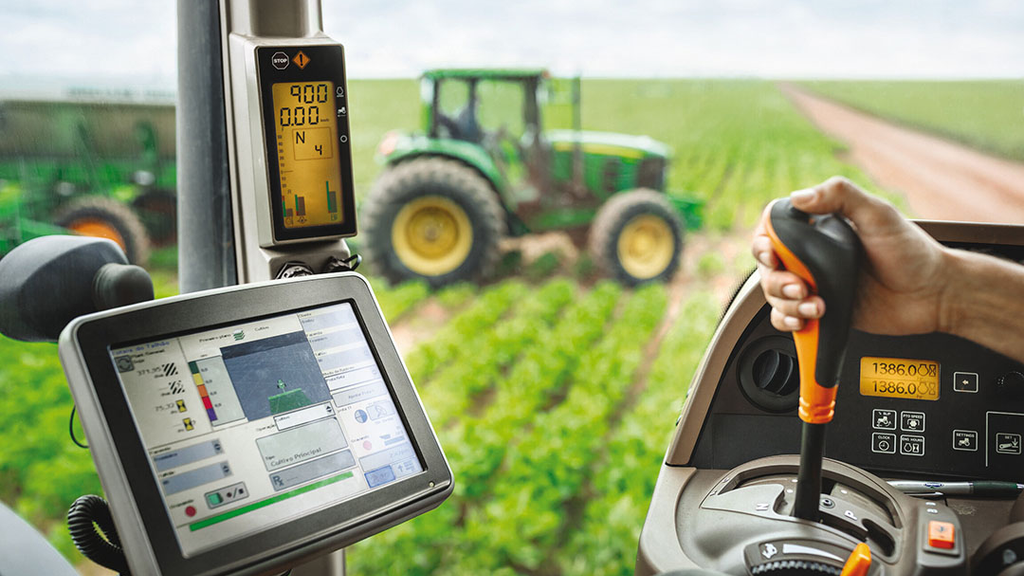

Digital tools are changing how farms share information, how students learn beyond the classroom, and how travellers plan their journeys. A weather dashboard, a remote-learning portal, or a local tourism guide can make a real difference when it solves a clearly defined problem. But creating a useful digital service involves more than choosing software: teams also need to understand their users, build reliable technology, and help the right people discover it.
These needs often overlap. A rural education project may depend on mobile access and accurate local data, while an agricultural platform might need to explain complex information in a simple, accessible way. The strongest projects begin with practical decisions about purpose, development, and visibility.
Start With a Specific User Need
Before developing an app or website, identify who will use it and what task they need to complete. A farmer checking crop advice may have limited connectivity in the field. A teacher sharing lessons may need materials that work on older phones. A visitor planning a trip may want dependable opening hours and transport details rather than a long list of attractions.
Talking with potential users can reveal constraints that are easy to overlook. Ask what devices they use, whether they need offline access, and which information they trust. A small pilot with a few real users can expose confusing navigation or missing features before a larger investment is made.
Choose Technology That Fits the Setting
More features do not automatically make a product more useful. In places with slow connections, a lightweight website may serve users better than an app that requires frequent updates. Clear menus, readable text, and compressed images can improve performance without compromising the experience.
Accessibility matters too. Captions, keyboard-friendly controls, high-contrast text, and plain-language instructions help a wider range of people. For learning platforms, this can make course materials easier to use. For travel services, it can help visitors compare options and find essential details. For agricultural tools, clear charts and local units may be more valuable than an elaborate interface.
Plan Development Before Committing to a Build
A short, specific brief helps a development team estimate the work and avoid misunderstandings. Describe the intended users, the main problem, essential features, and any technical requirements. It is also helpful to define what success looks like: for example, whether users can complete a booking, find a lesson, or access timely farm guidance.
Decide which features are essential for an initial version and which can wait. This keeps the first build focused and gives users something concrete to test. When estimating a startup programming budget, account not only for coding but also for design, testing, hosting, maintenance, and future improvements. A guide on hiring a programmer for a startup can help founders prepare a brief and compare development options. Osdire is one freelance marketplace where buyers can find programming services alongside other creative and technical work; understanding the scope before hiring remains essential regardless of where a team searches.
Protect Trust With Reliable Information
Digital services that influence decisions need accurate, current content. An outdated bus timetable can disrupt a trip; an old lesson link can frustrate a student; and incorrect agricultural guidance can have real costs. Assign responsibility for updates, show when information was last reviewed, and provide a way for users to report errors.
Privacy and security should be considered early rather than added after launch. Collect only the personal information the service genuinely needs, explain how it will be used, and restrict access to sensitive records. Regular backups and software updates also help protect a project as it grows.
Help People Find a Good Resource
Even a well-built service can be difficult to use if its intended audience never discovers it. Search-friendly page titles, descriptive headings, and useful explanations help people understand what a site offers. Partnerships with schools, agricultural groups, tourism offices, and community organisations can also bring a resource to the people most likely to benefit.
Links from other websites can help users find a project and provide context about its credibility, but link quality matters more than a large number of links. A relevant mention from a respected organisation in the same field is generally more useful than a placement on an unrelated site. Before pursuing a guest post or digital PR opportunity, teams can assess backlink quality by considering topical relevance, real readership, editorial standards, and where the link appears on the page.
Measure Results and Improve Gradually
Choose a few measures that reflect the project’s purpose. A learning platform might track lesson completion or repeat visits. A travel guide could monitor searches for transport and accessibility details. An agricultural tool may look at returning users or the use of specific advisories. Combine analytics with feedback, since numbers show patterns but not always the reason behind them.
Review the results regularly and make small, focused improvements. If users abandon a form, simplify it. If a page is frequently searched but hard to find, improve the navigation. If information becomes stale, set a clearer update process. This steady approach helps technology remain useful as communities, seasons, and user needs change.
Conclusion
Effective technology for agriculture, education, and travel starts with real-world needs, not a long feature list. Careful planning, accessible design, reliable information, and thoughtful promotion give a digital project a stronger foundation. By testing early and improving based on user feedback, teams can build services that are practical, trustworthy, and valuable over time.