
Understanding Security Operations
Security operations, often called SecOps, form the backbone of an organization’s defense against cyber threats. These activities focus on monitoring, detecting, and responding to security incidents. IT professionals must understand the processes and technologies involved to safeguard sensitive data and systems.
Security operations are not just about responding to attacks; they also involve proactive measures. These measures include regular vulnerability assessments, continuous monitoring, and clear communication between departments. Each of these steps plays a critical role in making sure that threats are detected early and handled effectively. For IT professionals, understanding these fundamentals is the first step in building a resilient security posture.
What Is SecOps in Cybersecurity?
SecOps merges security and IT operations to improve how organizations address cyber risks. It involves people, processes, and tools working together to spot and stop threats quickly. For a more detailed look, see Defining what is SecOps in cybersecurity. This partnership helps bridge the gap between IT and security teams, enabling faster incident response.
A strong SecOps culture encourages knowledge sharing and the division of responsibilities. This means IT staff are trained to recognize security issues, while security teams understand how IT systems work. By integrating these teams, organizations can reduce time-to-response and minimize the impact of attacks. SecOps also promotes consistent use of policies and procedures throughout the organization. As a result, the overall security posture becomes stronger and more adaptable to change.
Core Functions of Security Operations
Security operations centers (SOCs) serve as hubs for managing security tasks. Their main roles include monitoring network traffic, investigating alerts, and managing incidents. SOC teams work around the clock to identify suspicious activity and take action before damage occurs. The National Institute of Standards and Technology outlines incident response as a vital part of these operations.
Another key function is threat intelligence gathering. By staying informed about the latest attack methods, SOCs can adapt defenses and update detection methods. SOCs also play a role in compliance, ensuring that the organization meets regulatory requirements. Keeping detailed records of incidents, responses, and outcomes is necessary for audits and future improvements. In summary, SOCs act as both the eyes and ears of an organization’s security efforts.
Key Components of a Security Operations Center
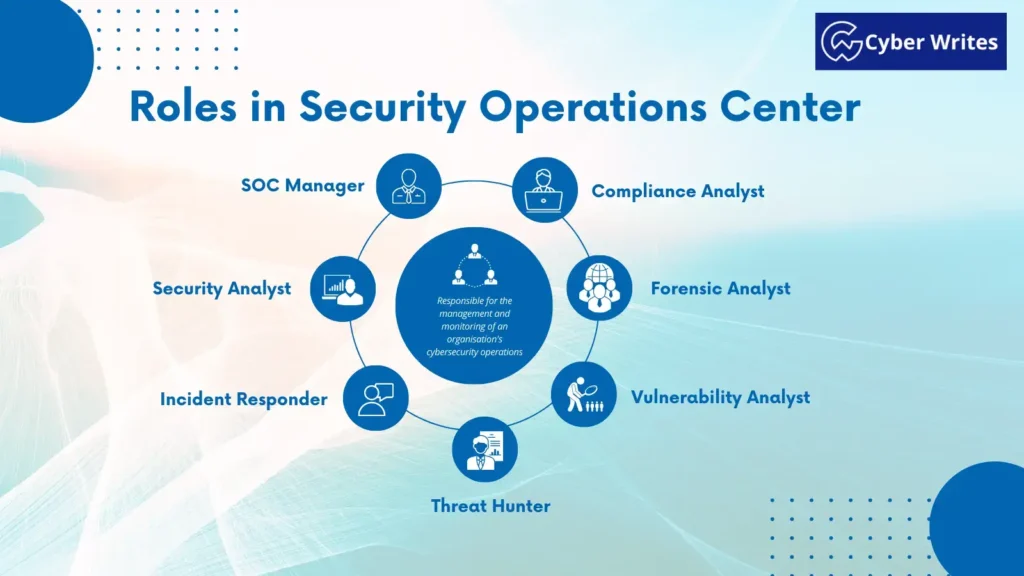
A SOC is staffed with analysts, engineers, and managers. Analysts monitor security dashboards for unusual patterns. Engineers set up and maintain security tools. Managers coordinate the team and report to leadership. Together, they create a strong defense against evolving cyber threats.
The physical and digital infrastructure of a SOC is also important. This includes secure workspaces, reliable network connections, and robust data storage systems. Some organizations operate virtual SOCs in which team members collaborate remotely. Regardless of the setup, communication and coordination are crucial. Regular briefings and updates help everyone stay on the same page. The effectiveness of an SOC depends not only on its technology but also on the skills and teamwork of its staff.
Essential Tools and Technologies
Modern security operations depend on a range of tools. Security Information and Event Management (SIEM) platforms collect and analyze logs. Endpoint Detection and Response (EDR) tools help spot threats on devices. Firewalls and intrusion detection systems add layers of protection. Automation is also used to speed up responses to frequent threats.
Other useful tools include vulnerability scanners, which identify weaknesses in systems, and threat intelligence platforms that provide real-time data on emerging risks. Security orchestration, automation, and response (SOAR) platforms help streamline workflows and reduce manual tasks. Integrating these tools allows SOCs to respond more quickly and accurately. As technology advances, artificial intelligence and machine learning are being added to better detect unusual patterns and predict potential attacks. For an overview of emerging cybersecurity technologies, the U.S. Department of Homeland Security provides insights into current trends.
Incident Detection and Response
Detecting incidents early is crucial. SOC teams use alerts and threat intelligence to spot signs of attacks. When an incident is detected, they follow a set process: identification, containment, eradication, recovery, and review. This structured approach reduces the impact of breaches and helps prevent future incidents.
Each step requires careful coordination. During identification, SOCs verify if an alert is a real threat. Containment involves isolating affected systems to stop the spread. Eradication removes the threat, while recovery restores normal operations. The final review documents lessons learned and updates response plans. This cycle of continuous improvement keeps organizations prepared for new challenges. The Federal Trade Commission offers guidance to businesses on handling data breaches and incident response.
Challenges in Security Operations
Security teams face many challenges. The growing number of threats and the complexity of IT environments make it hard to keep up. Alert fatigue, caused by too many false positives, can overwhelm analysts. Staying current with new attack methods and compliance requirements is also a constant task. A report by the Information Systems Audit and Control Association discusses how skills shortages further complicate these challenges.
Another challenge is the rapid pace of technology change. Cloud computing, remote work, and mobile devices introduce new risks. Security teams must adapt quickly, often with limited resources. The shortage of skilled professionals can make it hard to fill key roles. As threats become more sophisticated, attackers use advanced tactics such as phishing and ransomware. Regular training and investment in modern tools are necessary to keep up with these evolving threats.
Best Practices for IT Professionals
IT professionals can improve security operations by following best practices. Regularly update and patch systems to close vulnerabilities. Use multi-factor authentication to protect access. Train staff on how to recognize phishing and other scams. Document incident response procedures and test them through regular drills.
Another best practice is to segment networks, which limits the spread of malware in the event of a breach. Back up important data regularly and store backups securely. Monitor third-party vendors, as they can introduce risks. Foster a culture of security awareness throughout the organization. Stay informed about the latest threats and security recommendations from reputable sources such as the SANS Institute.
The Future of Security Operations
Security operations are evolving as threats change. Artificial intelligence and machine learning are being used to spot new types of attacks. Cloud adoption requires new security strategies. Continued investment in people, processes, and technology will remain essential to stay ahead of threats.
In the future, automation will play a bigger role in reducing manual tasks and speeding up response times. Security teams will need to balance the benefits of technology with the need for skilled human judgment. As regulations increase, organizations must remain flexible and proactive in their security efforts. The ongoing development of cybersecurity frameworks, such as those promoted by the National Institute of Standards and Technology, will help guide best practices in the years ahead.
Conclusion
Security operations are vital for protecting organizations from cyber threats. By understanding the key roles, tools, and challenges, IT professionals can build stronger defenses. Adopting best practices and staying informed about emerging trends will help maintain robust security in an ever-changing landscape.
FAQ
What is the main goal of security operations?
The primary goal is to monitor, detect, and respond to security threats to protect an organization’s data and systems.
Who works in a security operations center?
A SOC typically includes analysts, engineers, and managers who work together to manage and respond to security incidents.
How do security operations detect threats?
They use monitoring tools, alerts, and threat intelligence to spot signs of suspicious activity or attacks.
Why is incident response important?
Incident response helps contain and fix security breaches, reducing damage and helping prevent future incidents.
What challenges do security operations teams face?
Teams often struggle with alert fatigue, skills shortages, and adapting to new and complex cyber threats.