Healthy, glowing skin in 2026 is all about smart active ingredients that are backed by science, gentle on the barrier, and matched to real concerns like aging, sensitivity, and hyperpigmentation.
Active Ingredients In Skincare By Rodan + Fields
What Is An Active Ingredient In Skincare?
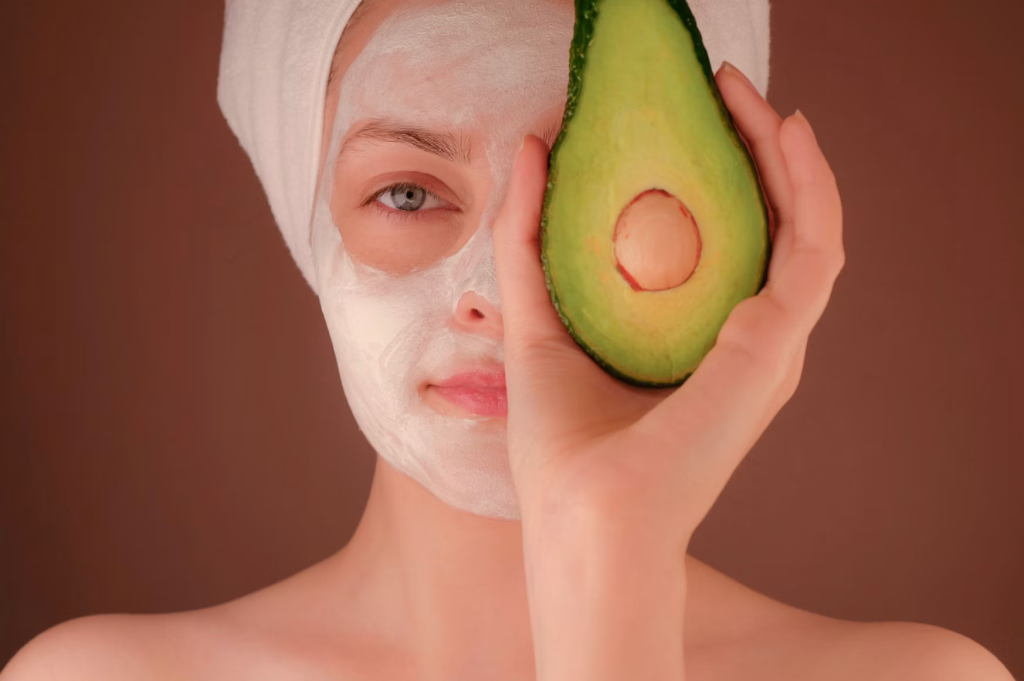
An active ingredient is the part of a formula that is clinically proven to change the skin, such as smoothing wrinkles, fading dark spots, or clearing acne. Everything else in a product, texture agents, fragrance, base oils, mainly supports the active or makes the formula feel nice.
Best Evidence-Backed Actives In 2026
Dermatology‑focused sources highlight a core group of ingredients with the strongest clinical evidence as of 2026: retinoids, vitamin C, niacinamide, hyaluronic acid, exfoliating acids, ceramides, peptides, azelaic acid, centella asiatica, bakuchiol, and broad-spectrum UV filters.
Retinoids: Gold Standard For Aging And Acne
Retinoids (retinol, retinaldehyde, tretinoin, adapalene) remain the most studied anti‑aging and anti‑acne actives. They speed up cell turnover, stimulate collagen, and help smooth fine lines and clogged pores over time, usually showing visible change after 8–12 weeks of consistent use.
Key points for 2026:
- Retinaldehyde (“retinal”) is gaining attention as a gentler yet potent option for people who find classic retinol too irritating.
- Pairing retinoids with a strong barrier routine and daily SPF is non‑negotiable to avoid redness and dryness.
Short sentence, big impact: retinoids work, but patience and protection matter.
Vitamin C: Brightening And Environmental Protection
Vitamin C, especially L‑ascorbic acid at around 10–20%, is widely used to brighten dull skin, support collagen, and help defend against UV‑induced damage when used under sunscreen. Search data shows more than 110,000 global monthly searches for “glycolic acid,” reflecting how ingredient‑driven discovery now extends to antioxidants like vitamin C as well.
Popular roles in 2026:
- Morning antioxidant step under SPF.
- Targeted support for dark spots and uneven tone.
Niacinamide: Barrier Support And Redness Control
Niacinamide (vitamin B3) is described as one of the most versatile and well‑tolerated actives today. At around 4–10%, it helps reduce redness, support the skin barrier, and improve the look of pores and pigmentation, while playing well with most other ingredients.
Why people love it:
- Fits sensitive, oily, and combination skin.
- Works in both minimalist and multi‑step routines.
Hyaluronic Acid And Next-Gen Hydration
Hyaluronic acid is still a major hydrating star, acting as a humectant that binds water in the skin and provides plumping without adding oil. Recent ingredient trend analysis shows a shift toward “multi‑pathway” hydration systems, using companions like glycerin, sodium PCA, ectoin, and panthenol to support deeper, more stable moisture rather than relying on hyaluronic acid alone.
Hydration in 2026 is less about “one magic molecule” and more about a smart mix that keeps water in the skin barrier.
Barrier-Focused Actives: Ceramides, Beta‑Glucan & Centella
Search interest for “skin barrier repair” has jumped about 29% year‑over‑year to around 71,000 searches per month, showing how barrier health is now mainstream. Many of 2026’s trending actives directly support this barrier‑first mindset.
Ceramides And Lipid Matrix Support
Ceramides, cholesterol, and fatty acids in roughly a 3:1:1 ratio can mimic the skin’s own lipid structure. Barrier‑focused articles describe ceramides as “building blocks” that help prevent moisture loss and improve tolerance to stronger actives over time.
Beta‑Glucan: Soothing Hydration
Beta‑glucan, a polysaccharide derived from yeast, oats, or fungi, is highlighted in 2026 ingredient reports as a deep‑hydrating and soothing active that reinforces barrier resilience. It is particularly useful for sensitive or mature skin that needs calming plus anti‑aging support.
Centella Asiatica & Panthenol
Centella asiatica and panthenol appear frequently in modern ingredient guides as barrier‑friendly support actives. They help soothe irritation, support repair, and fit well into routines built around gentle, evidence‑based care rather than harsh treatments.
Exfoliating Acids: BHA, AHA, And Gentler PHAs
Dermatology‑oriented sources group exfoliating acids by skin type:
- Salicylic acid (BHA) for oily and acne‑prone skin, because it penetrates into pores.
- Glycolic acid (AHA) for texture and pigmentation, widely searched and discussed in 2026 trend reports.
- Lactic and mandelic acids as milder options for sensitive skin.
At the same time, ingredient commentators describe a move toward “friendly actives”, such as low‑dose PHAs and more controlled exfoliation, to avoid barrier damage and chronic irritation.
Harsh peels are out; balanced, gentle acids are in.
Pigmentation Actives: Azelaic Acid, Kojic Acid, And More
Hyperpigmentation, sun spots, and post‑acne marks sit at the top of many skincare concern lists. Trend analysis highlights several key actives for 2026:
- Azelaic acid: frequently recommended for melasma and post‑inflammatory pigmentation, with added benefits for redness and acne.
- Kojic acid: described as a fermentation‑derived brightener that helps reduce dark spots and support a more even tone.
- Supporting players like alpha arbutin and tranexamic acid appear in pigmentation‑focused routines, always paired with daily UV protection.
Peptides, Bakuchiol, And Next-Gen Biotech Actives
Ingredient reports for 2026 show strong interest in peptides, bakuchiol, exosomes, DNA‑repair enzymes, PDRN, and snow mushroom (Tremella fuciformis).
Peptides: Firmness And Barrier
Peptides are short amino‑acid chains that help support collagen, elasticity, and barrier health. Although they’re often described as “supportive” rather than dramatic, peptide‑rich serums have remained long‑term best‑sellers due to their gentle, everyday usability.
Bakuchiol: Gentler Retinol Alternative
Bakuchiol stands out as a plant‑derived alternative to retinol, offering similar benefits for texture and fine lines with less irritation. Biotech‑enhanced, bio‑fermented bakuchiol is mentioned in 2026 trend coverage as a way to achieve stronger anti‑aging effects while staying friendly to sensitive skin.
Emerging Biotech: Exosomes, DNA-Repair Enzymes, PDRN
Recent ingredient trend overviews highlight:
- DNA‑repair enzymes aimed at correcting UV‑induced damage at a cellular level.
- PDRN (polydeoxyribonucleotide), originally used in medical settings, now appearing in creams and serums as a regenerative and deeply hydrating active.
- Snow mushroom (Tremella fuciformis) as a hydrating polysaccharide‑rich ingredient often described as a “vegan hyaluronic acid” because of its plumping and moisture‑locking properties.
These ingredients reflect how 2026 formulas blend biotech, barrier repair, and long‑term skin vitality rather than chasing quick fixes.
Quick Data Snapshot: Trending Actives In 2026
Below is a concise table summarizing key actives and how they’re described in recent ingredient guides and industry analyses.
| Active ingredient | Main benefits (short) | 2026 trend insight |
| Retinoids (retinol, retinal, tretinoin) | Smoother texture, fewer wrinkles, acne control | Still core anti‑aging; retinal highlighted as gentler high‑performance option. |
| Vitamin C (L‑ascorbic acid) | Brightening, collagen support, antioxidant protection | Remains highly searched; often paired with ferulic acid and SPF for daily defense. |
| Niacinamide | Barrier support, redness reduction, pigment improvement | Widely used across skin types thanks to strong tolerance and versatility. |
| Ceramides | Barrier repair, moisture retention | Central to barrier‑focused formulas and “skinimalist” routines. |
| Beta‑glucan | Deep hydration, soothing, anti‑aging support | Positioned as next‑gen barrier support, especially for sensitive and mature skin. |
| Azelaic acid | Melasma, post‑acne marks, redness | Frequently recommended for pigmentation plus rosacea‑like sensitivity. |
| Kojic acid | Dark spot reduction, more even tone | Recognized as a go‑to brightening active in 2025–2026 trend lists. |
| Peptides | Firmness, elasticity, barrier strength | “Quiet heroes” of anti‑aging, thriving in long‑term daily use products. |
| Bakuchiol | Retinol‑like smoothing with less irritation | Popular as a pregnancy‑friendly and sensitive‑skin‑friendly alternative. |
| Hyaluronic acid & Tremella fuciformis | Hydration, plumping, moisture retention | Part of multi‑pathway hydration systems with ectoin and panthenol. |
How To Use Active Ingredients Safely In 2026
Skincare experts repeatedly emphasize that concentration, formulation, and layering matter as much as the ingredient name. People who stack too many actives at once often end up with sensitivity, redness, or barrier damage instead of better skin.
A simple, safe framework for 2026:
- Start with barrier basics: gentle cleanser, ceramide‑rich moisturizer, and daily broad‑spectrum SPF.
- Add one “core” active at a time (for example, retinoid at night or vitamin C in the morning).
- Use supportive actives like niacinamide, beta‑glucan, and centella to keep the routine calm and balanced.
- Watch the skin’s response for 4–8 weeks before stacking additional strong actives like acids or potent brighteners.
When the barrier is strong, all other actives tend to perform better.