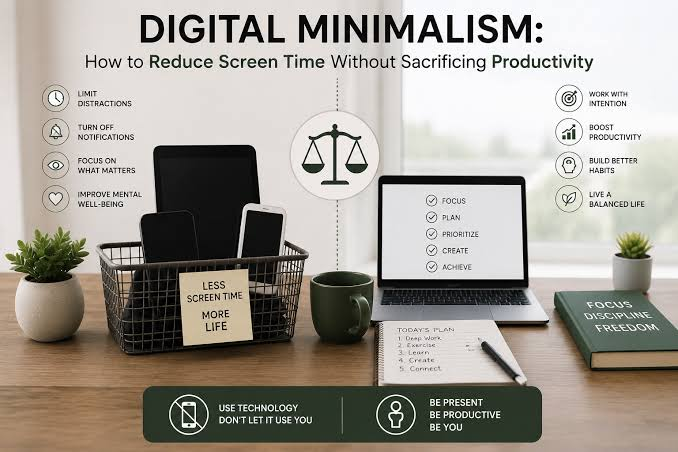

Smartphones have become essential tools for communication, work, banking, navigation, and entertainment. However, their convenience can encourage habits that consume more time than intended. Checking notifications, scrolling through social media, and switching between applications may gradually occupy several hours each day. Digital minimalism offers an approach to managing technology use without rejecting its practical benefits. Instead of eliminating devices, it encourages people to decide which digital activities deserve their attention.
Digital environments provide different forms of entertainment, including videos, games, and interactive services. Someone exploring online entertainment might encounter this website, which features chance-based casino games involving financial risks. Such activities illustrate why understanding the purpose and consequences of screen use matters. Digital minimalism focuses on making intentional choices rather than allowing applications, notifications, or entertainment systems to determine how free time is spent.
What Is Digital Minimalism?
Digital minimalism is an approach to technology use that prioritizes activities providing clear personal or practical value.
It does not require abandoning smartphones, social media, or online communication.
Instead, users evaluate whether particular applications support their goals.
For example, messaging family members may provide significant value, while repeatedly checking unrelated updates may offer little benefit.
The objective is to reduce unnecessary interaction while maintaining access to useful services.
This distinction makes digital minimalism more sustainable than attempting to eliminate technology completely.
Why Smartphone Use Becomes Automatic
Many smartphone interactions begin without a specific purpose.
A person may unlock a device to check the time and continue scrolling through social media.
Notifications, recommendations, and continuously updated feeds encourage repeated engagement.
Over time, checking the phone can become associated with boredom, waiting, or avoiding difficult tasks.
These behaviors develop through repetition rather than deliberate planning.
Recognizing the situations that trigger unnecessary screen use is the first step toward changing them.
Measure Screen Time Before Making Changes
Most smartphones include functions that report daily usage, application activity, and device pickups.
These statistics provide a starting point for understanding digital habits.
However, total screen time does not automatically indicate a problem.
Two hours spent completing work may provide greater value than thirty minutes of distracted browsing.
Users should therefore examine both duration and purpose.
Tracking usage for several days can reveal which applications consume the most time and when unnecessary checking occurs.
Reduce Notifications That Interrupt Attention
Notifications are a common reason people repeatedly check their smartphones.
Messages from family members or work contacts may require attention, but promotional alerts rarely demand immediate action.
Disabling notifications from shopping, entertainment, and social applications can reduce interruptions.
Users can maintain alerts for essential communication while reviewing other information at scheduled times.
This approach preserves important functions without allowing every application to compete for attention.
Organize the Smartphone Home Screen
Application placement influences how quickly users access particular services.
Keeping frequently used tools on the home screen supports practical tasks.
Entertainment applications can be moved into folders or removed from prominent positions.
This introduces an additional decision before opening them.
Some people also prefer simplified layouts with fewer icons.
The purpose is not to create a visually perfect interface but to make intentional actions easier than automatic browsing.
Establish Boundaries for Social Media
Social media can support communication, professional networking, and entertainment.
However, unlimited browsing may interfere with activities requiring sustained attention.
Setting time limits can help users establish boundaries.
For example, allocating twenty minutes after work may be more practical than checking applications repeatedly throughout the day.
These limits should reflect individual responsibilities rather than arbitrary rules.
Users who rely on social platforms professionally may need separate schedules for work and leisure.
Replace Scrolling With Alternative Activities
Reducing smartphone use creates additional time, but that time needs a purpose.
Without alternatives, people may return to familiar digital habits.
Reading, walking, cooking, exercising, or pursuing creative hobbies can provide activities outside smartphone applications.
The most effective alternatives are accessible and personally enjoyable.
For example, keeping a book nearby may make reading easier during short breaks.
Replacing one repeated scrolling session with another activity is often more manageable than changing every habit simultaneously.
Create Phone-Free Periods During the Day
Designating certain periods for activities without smartphones can reduce distractions.
Meals, conversations, and focused work sessions are practical starting points.
Some people also benefit from avoiding unnecessary phone use immediately before bedtime.
However, restrictions should accommodate communication needs and emergencies.
A useful strategy involves selecting specific situations rather than enforcing constant disconnection.
Consistency matters more than creating complicated rules.
Use Technology to Manage Technology
Digital minimalism does not oppose technological solutions.
Built-in application timers, focus settings, and notification schedules can support healthier usage patterns.
Website blockers may help during work sessions, while calendar reminders can establish periods for checking messages.
However, these tools cannot replace personal decisions.
Users can ignore restrictions or repeatedly extend limits.
Their effectiveness depends on realistic goals and willingness to adjust habits.
Avoid Turning Digital Minimalism Into Another Competition
Screen time reduction can become counterproductive when people focus exclusively on achieving the lowest possible number.
A person who uses a smartphone for education, navigation, or communication may reasonably require more screen time than someone with different responsibilities.
Comparisons between users therefore provide limited information.
Digital minimalism should improve daily functioning rather than create guilt about technology use.
Progress can be measured through better concentration, fewer interruptions, and greater satisfaction with how time is spent.
How to Build a Sustainable Digital Routine
Start by identifying one digital habit that provides limited value.
Reduce unnecessary notifications, establish boundaries, and observe whether the change improves daily activities.
After several weeks, evaluate what works and make adjustments.
Avoid eliminating useful applications simply to reduce usage statistics.
A sustainable routine balances communication, productivity, entertainment, and offline interests.
Finding Balance Without Rejecting Technology
Digital minimalism is not about returning to life without smartphones.
It involves recognizing that technology should support personal priorities rather than constantly interrupt them.
Reducing unnecessary screen time can create more opportunities for focused work, relationships, rest, and hobbies.
The most effective strategy combines awareness, realistic boundaries, and gradual behavior changes.
Ultimately, the goal is not to spend as little time online as possible, but to ensure that digital activities serve meaningful purposes.